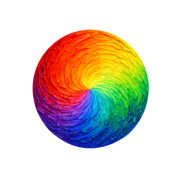
Blending is the single skill that separates beginner coloring from professional-looking results. Here are five techniques that work with any colored pencils.
1. Layering
The simplest and most fundamental technique. Apply light pressure with your first color, then layer a second color on top. The colors optically mix where they overlap.
- Start with the lighter color first
- Use circular motions for even coverage
- Build up gradually - you can always add more, but you can't take away
2. Burnishing
After layering your colors, go over the area with heavy pressure using a white or light-colored pencil. This pushes the pigment into the paper grain, creating a smooth, polished surface.
- Works best with wax-based pencils (Prismacolor)
- Apply your colors first, then burnish as the final step
- A colorless blender pencil works even better than white
3. Solvent Blending
Apply your colors normally, then use a cotton swab dipped in rubbing alcohol or odorless mineral spirits to dissolve and blend the pigment. This creates a painterly effect.
- Test on scrap paper first - some papers react differently
- Use sparingly - a little solvent goes a long way
- Let it dry completely before adding more layers
4. Pressure Gradients
Create smooth gradients by varying your pencil pressure across an area. Start with heavy pressure and gradually lighten, or vice versa. This is how you create highlights, shadows, and three-dimensional form.
5. Complementary Underlayer
Before applying your main color, lay down a light wash of its complementary color. For example, apply a light layer of purple before coloring something yellow. This creates depth and vibrancy that a single color can't achieve.
Practice Pages
Our animal coloring pages are excellent for practicing blending - fur, feathers, and scales all benefit from smooth color transitions. Start with a simple design and experiment with one technique at a time.