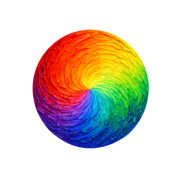
Markers can produce the most vibrant, saturated coloring of any medium - if you know how to blend them. Here's a guide to the essential blending techniques.
Water-Based Markers (Tombow, Crayola SuperTips)
Wet-on-Wet Blending
Apply one color, then immediately apply a second color overlapping the edge of the first while it's still wet. The colors will merge naturally at the boundary. Work quickly - water-based ink dries fast.
Water Brush Blending
Apply marker color, then use a damp water brush to push and blend the ink. This creates watercolor-like effects. Practice water control - too much water creates puddles and warping.
Palette Blending
Scribble two marker colors onto a plastic palette or zip-lock bag, mix them with a water brush, and apply the blended color directly. This lets you create custom shades.
Alcohol-Based Markers (Copic, Ohuhu)
Feathering
Apply the lighter color first, then apply the darker color starting from one side. The lighter color acts as a blending agent - go back over the transition with the lighter marker to smooth it out.
Layering
Apply one layer, let it dry briefly, then apply another layer. Each layer deepens the color and can shift the hue. This is how you build rich, complex colors with markers.
Flicking
Use quick flicking strokes from the edge of a color area into the lighter zone. This creates a natural-looking gradient with visible stroke texture - great for fur, hair, or grass.
Essential Tips for Both Types
- Paper matters most with markers. Use cardstock (65 lb+) or marker paper. Regular printer paper will bleed through and feather
- Always go light to dark - you can darken but you can't lighten with markers
- Work in sections - complete one area before moving to the next to avoid streaks
- Keep a scrap sheet of the same paper nearby for testing color combinations
- Place a blank sheet underneath to protect your table surface
Practice your marker techniques on our ocean pages - the flowing water and sea life designs are perfect for blending practice.